-
Understanding SOLID Principles: Liskov Substitution

Liskov substitution is one of the more complex facets of the SOLID principles. It requires a foundational knowledge of both contracts and variance to build rules that guide you toward more adaptive code Continue reading
-
Understanding SOLID Principles: Open/Closed

This is the part 2 of the series of posts that I’m writing on the topic of solid principles Continue reading
-
Understanding SOLID Principles: Single Responsibility

If your code is not adaptive enough, You process cannot be agile enough.. To make your code more adaptive learn SOLID Principles Continue reading
-
When to Use Microservices (And When Not To!)

One of the main problem in our industry is we focus on the tech tool, not the thing that the tech tool let’s you do. So when you say you want to use microservice architecture, first you have to think what’s the thing it’s going to give you? What can microservices architectures give you? More… Continue reading
-
.NET multi platform app ui(MAUI)

In the blog post I explain about .NET MAUI a new multi platform app UI to support different workloads like mobile, desktops using .NET Continue reading
-
Thoughts on design patterns

My opinions on design patterns and practices and things that you should keep in mind while choosing design patterns Continue reading
-
Process trillions of events per day using C#

Learn how to process trillions events per day using C# Continue reading
-
gRPC using C#: a fresh new alternative to build APIs
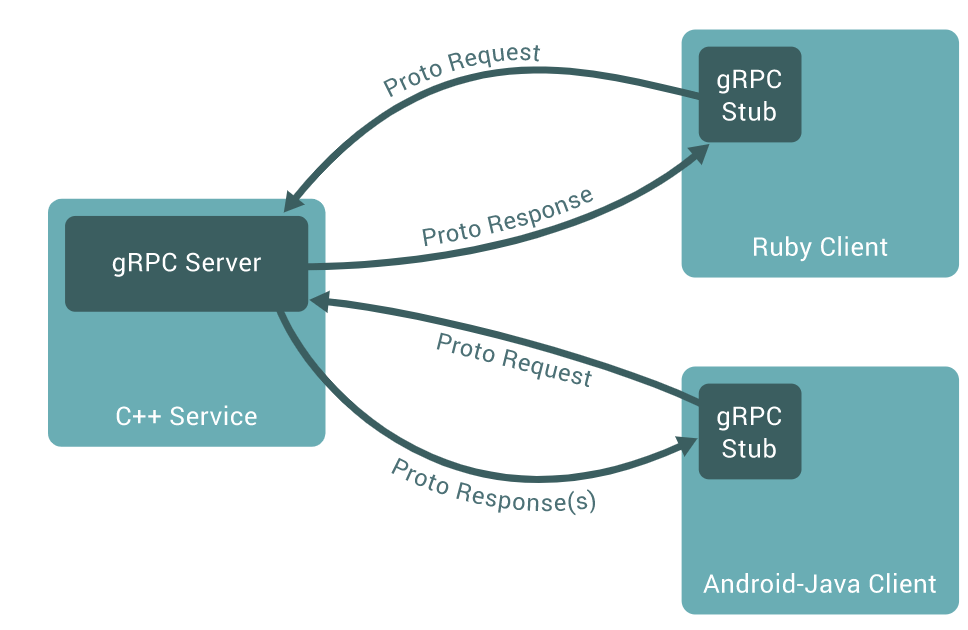
This blog provides an introduction on gRPC and the gRPC support in C# Continue reading
-
What is Technical Debt?

Whenever we develop a software feature, it is likely that certain compromises will need to be made between the “ideal code” and the code that is good enough to meet the deadline. This is not to say that poor design should be encouraged to meet the deadline, but that there is some value in doing… Continue reading
-
What is this new .NET standard thingy?

This article helps you to get clarity on what exactly is .NET standard and why you need to know Continue reading

Advertisements

